Contributor
No items found.



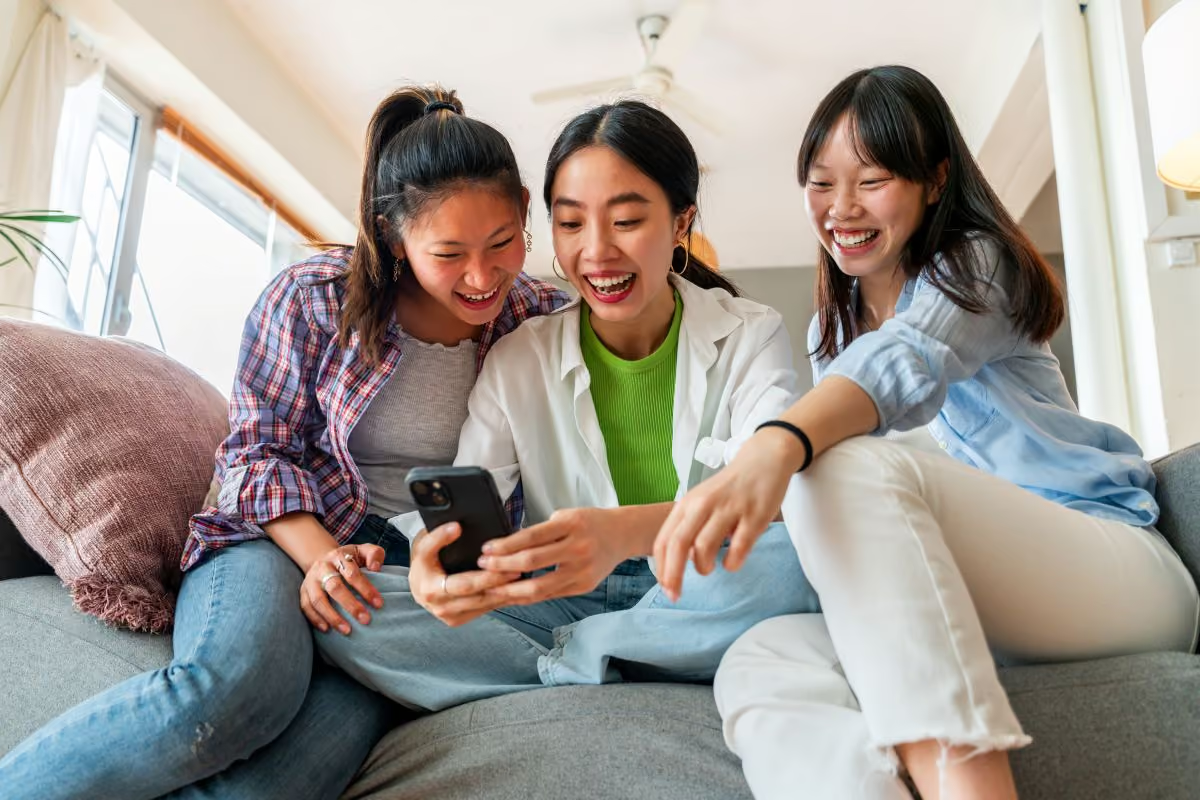
Trust and tradition matter in the Philippines. For local brands looking to build lasting relationships, the solution in strategic public relations is to put genuine emotional connections above promotional messaging.
Filipino consumers have the highest rates of brand loyalty in the world. As such, earned media and PR-driven narratives are powerful tools for local brands. PR strategies for building brand loyalty in the Philippines must prioritise emotional storytelling over transactional messaging.
The concept of "suki"—the Filipino term for a loyal customer or patron—embodies this relationship-first approach. Small businesses and local vendors often recognise and reward regular customers with discounts, extra goods, or more personalised service.
For larger brands, effective PR scales this intimate relationship, creating the same sense of trust and mutual appreciation at a national level.
No discussion of brand love and loyalty through PR in the Philippines would be complete without examining Jollibee. The fast-food giant went from a local ice cream parlour in 1975 to Southeast Asia's top food brand in 2024, beating global chains like McDonald's and KFC.
The secret? Jollibee sells food with a side of feelings. Their "Kwentong Jollibee" (Jollibee Stories) campaign series has become a cultural phenomenon, producing viral short films that explore themes of love, family, and Filipino values. These aren't just product advertisements; they're emotional narratives that happen to feature Jollibee meals as backdrops to life's meaningful moments.
Jollibee also runs interactive events and giveaways at its outlets aimed at rewarding its customer base. The annual JolliKids Summer Fun Camp, for example, lets children aged 4-12 experience life as a Jollibee crew member—learning to take orders, making their own meals, and celebrating with awards and a dance session with the Jollibee mascot. Meanwhile, Jollibee's party packages include games, prizes, loot bags, and their beloved mascot, which has become a nostalgic birthday tradition for Filipino families.
At over 135 years old, the San Miguel Corporation shows how heritage can have a positive impact on public relations. San Mig Light, for instance, evolved its messaging over the years from simply promoting the beer's 100-calorie content to driving conversations relevant to today's society. The brand's tagline, "Sa mahaba-habang usapan, San Mig Light" (For long conversations, San Mig Light), positioned the product as an important tool for community and social bonding.
San Miguel's corporate communications also extend beyond products–the San Miguel Foundation's community programmes and disaster relief efforts have earned the company recognition as a first responder during typhoons and other crises, and more recently, the company announced a goal to uplift the lives of 15 million Filipinos by 2030. This active involvement in the lives of Filipinos on the ground drives deeper brand resonance.
Bench, the Philippines' leading clothing and lifestyle brand, founded in 1987, is a masterclass in brand activism. While many brands shy away from social commentary, Bench has consistently taken positions on cultural issues, earning both controversy and fierce loyalty.
The most notable example is the "Love All Kinds of Love" campaign, which featured LGBTQ+ couples on billboards alongside traditional family representations. When one of the same-sex couple billboards appeared to be censored with hands painted over, it sparked the viral hashtag, #PaintTheirHandsBack, generating massive media coverage and public engagement.
Whether the censorship was genuine or a marketing strategy remains debated, but the outcome was clear: Bench positioned itself as a brand that champions inclusivity in a predominantly conservative society. This stance resonates particularly strongly with younger Filipino consumers who value brands that reflect their own progressive values.
Since 1992, Potato Corner has targeted children as its primary market—even letting kindergarteners choose the original mascot. The payoff came decades later: many of today's 1,100+ franchisees across 15 countries first discovered the brand as kids.
Consistency reinforces this loyalty. The same cheese, barbecue, and sour cream flavours from 1992 remain unchanged, letting returning customers experience nostalgia with every purchase. The franchise model was also designed for the generation that grew up with the brand—accessible entry costs, a "no cash out" option, and royalty fees embedded into supply costs to simplify operations for first-time entrepreneurs.
Marketing adapts to where that audience lives. During the pandemic, Potato Corner pioneered the "shortserye"—10-second micro-episodes targeting Gen Z attention spans. In 2025, they signed Niana Guerrero, the most-followed Filipino on TikTok, for the #CraveTheFave campaign.
The lesson: Potato Corner invested in a generation and let time convert childhood customers into franchisees and brand advocates.
Drawing from these Filipino success stories, several principles emerge for any local brand PR guide:
Root campaigns in cultural truth. Each of these brands succeeded because they get Filipino values at a fundamental level. Jollibee taps into family bonds, San Miguel into heritage and national pride, and Bench into self-expression and inclusivity. Effective PR strategies for building brand loyalty start with genuine cultural insight, not imported frameworks.
Invest in emotional storytelling. Filipino consumers respond to narratives that reflect their real-life experiences, values, and aspirations. Campaigns that tell compelling stories about love, family, or overcoming challenges create connections that transcend product features.
Consistency builds trust over time. San Miguel's 135-year presence in Filipino celebrations demonstrates that loyalty isn't built through single campaigns but through consistent presence in consumers' lives. Each touchpoint reinforces the relationship, gradually transforming a brand from vendor to trusted companion.
Take meaningful positions. Bench's willingness to champion social causes creates differentiation in a crowded market. Not every brand should pursue activism, but having clear values that align with your target audience can transform casual customers into passionate advocates.
Building brand love and loyalty through PR requires understanding that Filipino consumers choose brands that reflect their identity, values, and aspirations. The most successful local brands recognise this and invest in communications strategies that honour the relationship.
Developing PR strategies for lasting brand loyalty requires consistency and commitment. Mutant's team combines expertise with local market insight to help brands build meaningful brand resonance. As a lifestyle PR agency in the Philippines, we understand what moves consumers from awareness to advocacy. Interested? Talk to us or drop us a line at hello@mutant.co.ph.
%20(1).avif)






.jpg)












.jpg)
.jpg)
%20(1).jpg)
.jpg)

.jpg)
.avif)






























.avif)





.avif)




.avif)



.avif)