Contributor
No items found.



The playbook that worked in the past has already moved on. With more AI-generated content flooding into our feeds, the platforms themselves are scrambling to figure out what engagement even means anymore. If your social strategy 2026 looks anything like the past, you're already behind.
Social media trends in 2026 won't revolve around the latest shiny feature or another algorithm update, but rather around a fundamental shift in how people use social media platforms, and what they expect from brands when they do.
According to a poll by the American Psychiatric Association, about half of respondents reduced their social media use in 2025, with even more planning to dial it back further in 2026. Call it a correction, not a trend.
The culprits? A toxic combination of AI-generated content, algorithmic noise, and sheer exhaustion. Feeds are now drowning in what experts call "AI slop"—content that's technically competent but feels emotionally hollow.
For brands across the Asia Pacific, this creates both a problem and an opportunity. The problem: organic reach continues its death spiral. The opportunity: audiences are actively seeking content that is human or emotionally resonant. No more 5-second reels, but something that truly takes effort. Sprout Social's Q2 2025 Pulse Survey reports that 57% of consumers want brands to post original content, not recycled trends or AI-generated filler.
Google's own internal data confirms that nearly 40% of young people now prefer TikTok and Instagram over traditional search when looking for information.
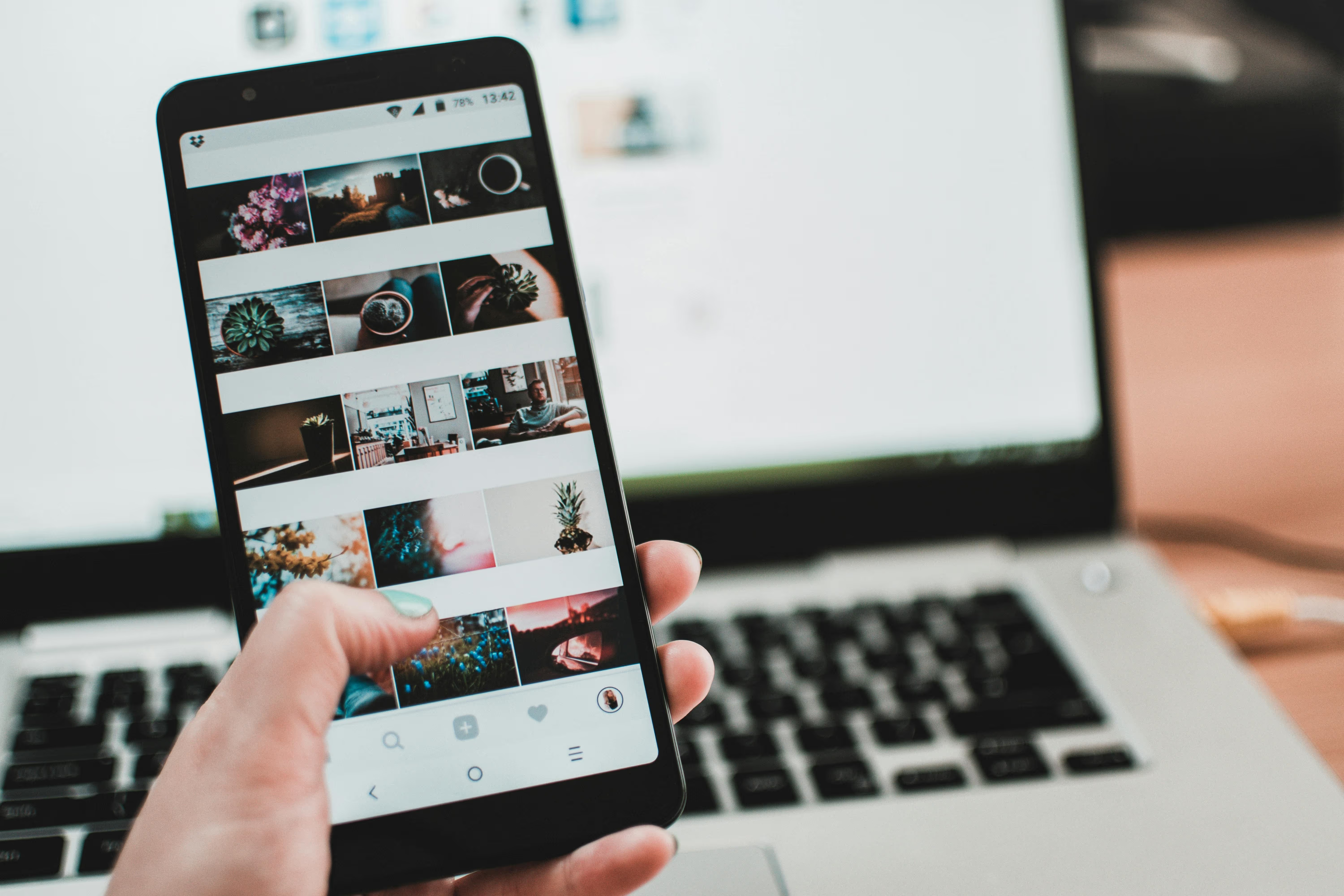
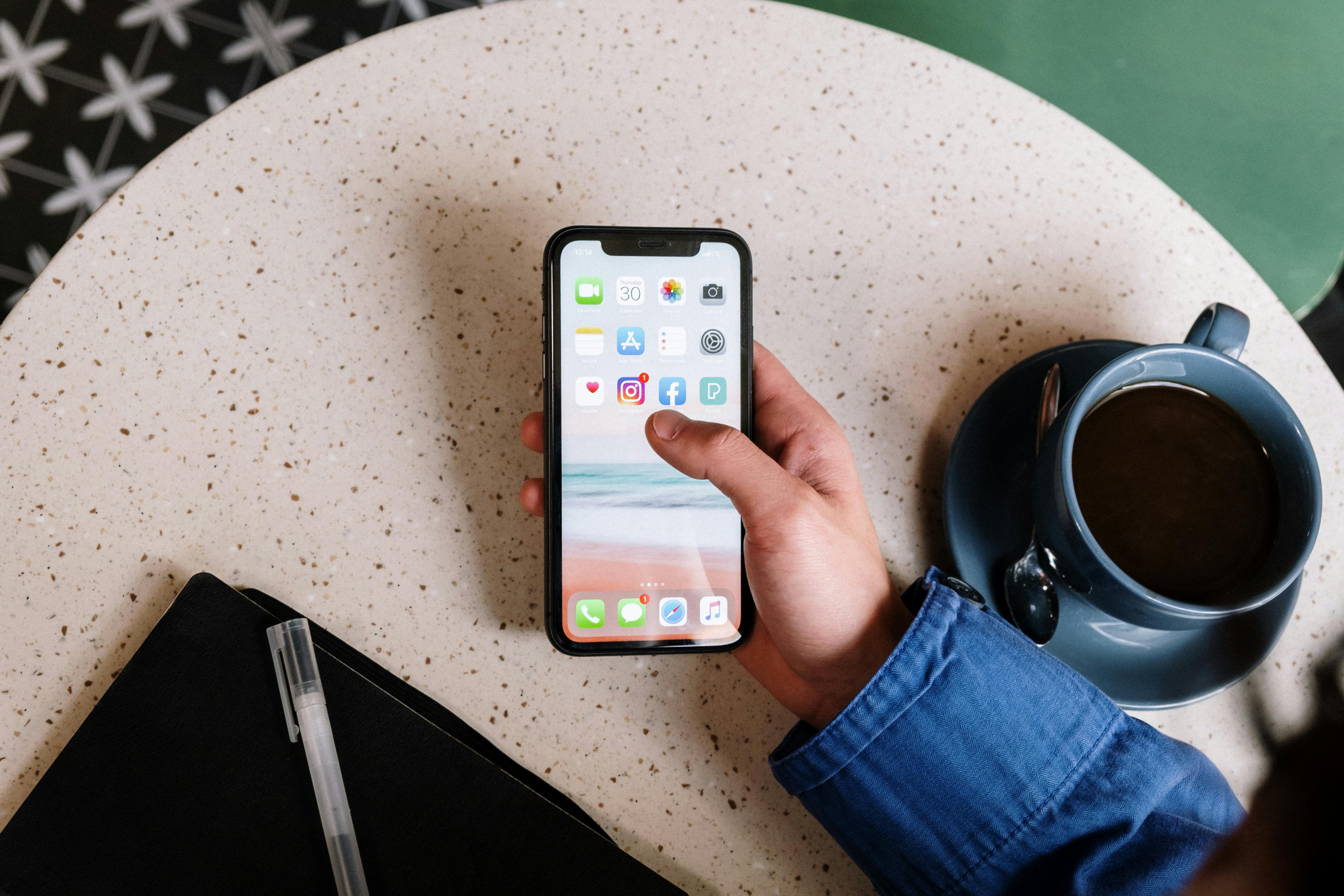
Don't dismiss this as a Gen Z quirk. Discovery itself has fundamentally changed. People are searching inside social apps for product reviews, restaurant recommendations, how-to guides, and brand research. Search-first content is the new baseline for the future of social media.
Your posts aren't just content anymore. They're searchable assets. Keywords matter—in captions, in spoken audio, in on-screen text. For brands serious about content strategy in Singapore, this means rethinking content architecture entirely. Every piece of content needs to answer a question someone is actively asking.
AI tools have made it easy to produce polished content. Which is precisely why polished content no longer works.
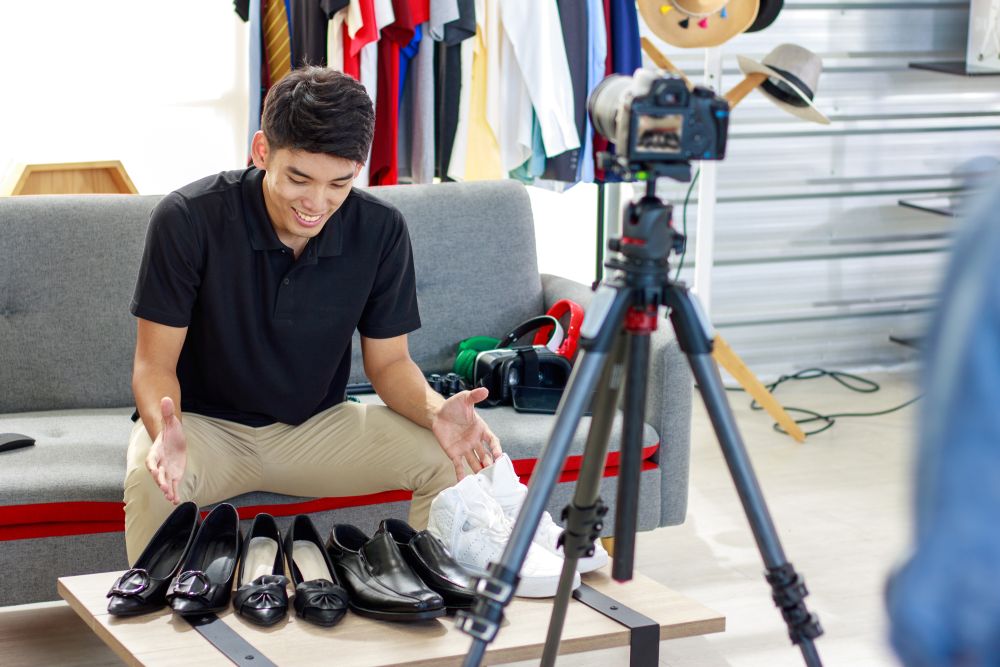
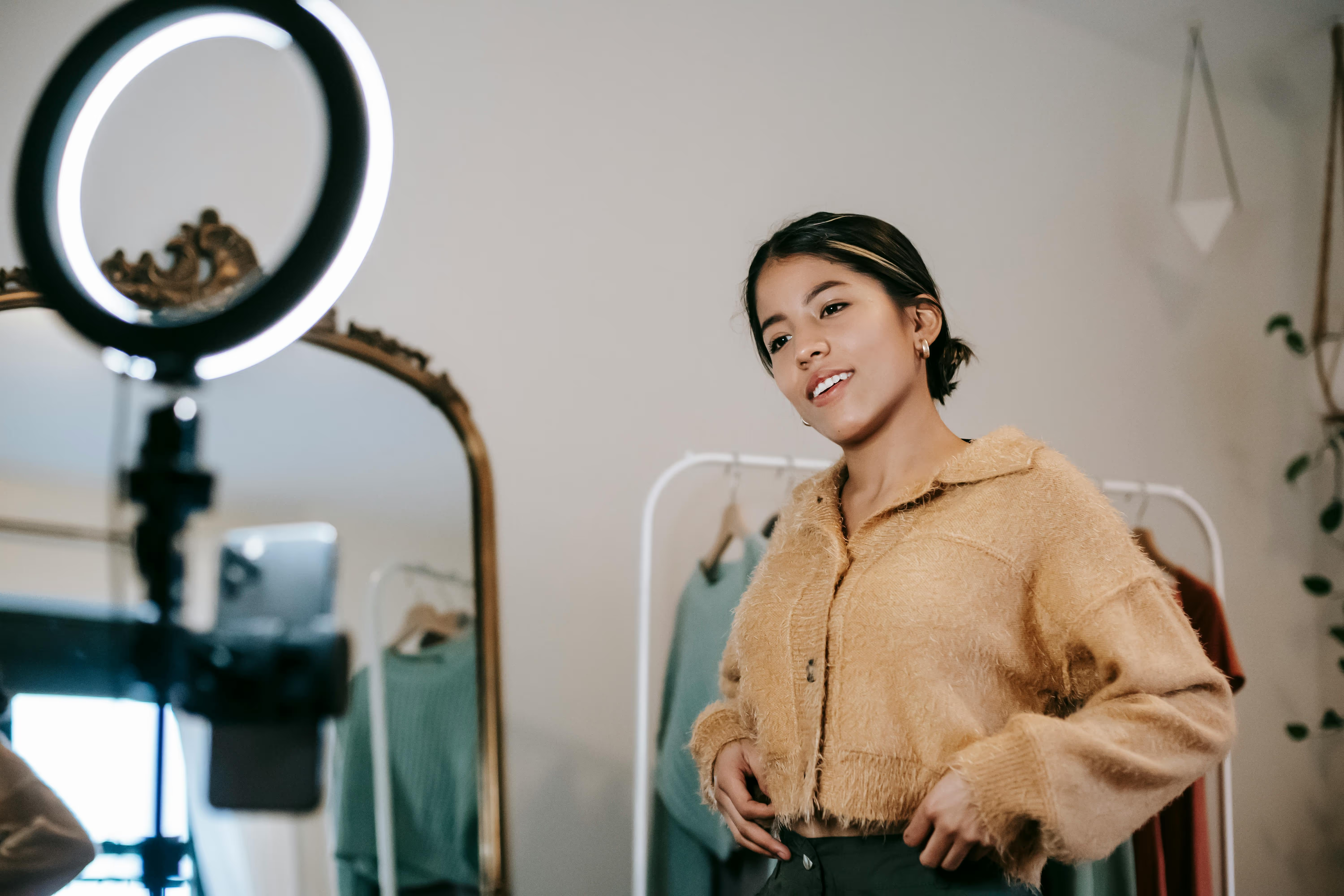
What's winning in 2026? Raw content that feels unedited. Real moments. Unfiltered takes. Content that couldn't possibly have been generated by an algorithm because it's too specific, too weird, too human. Digiday reported that brands are now explicitly requesting imperfections in creator partnerships—wrinkly shirts, cluttered backgrounds, authentic environments that signal "this is real.”
According to Sprout Social's 2025 Index, 76% of consumers place equal value on brands that prioritise customer support and respond quickly to needs on social media—meaning people see responsiveness as an important part of loyalty and perception. Even more telling: 77% actively notice whether brands engage in their own comment sections.
Silence costs. Every unanswered comment is a missed opportunity. Every ignored DM is a customer considering your competitor.
Community management has graduated from a support function to a strategic differentiator. Gen Z specifically wants brands to prioritise interactions in smaller spaces: broadcast channels, private communities, and intimate groups. Shouting into the void with scheduled posts is fading fast as relationship-building takes its place.
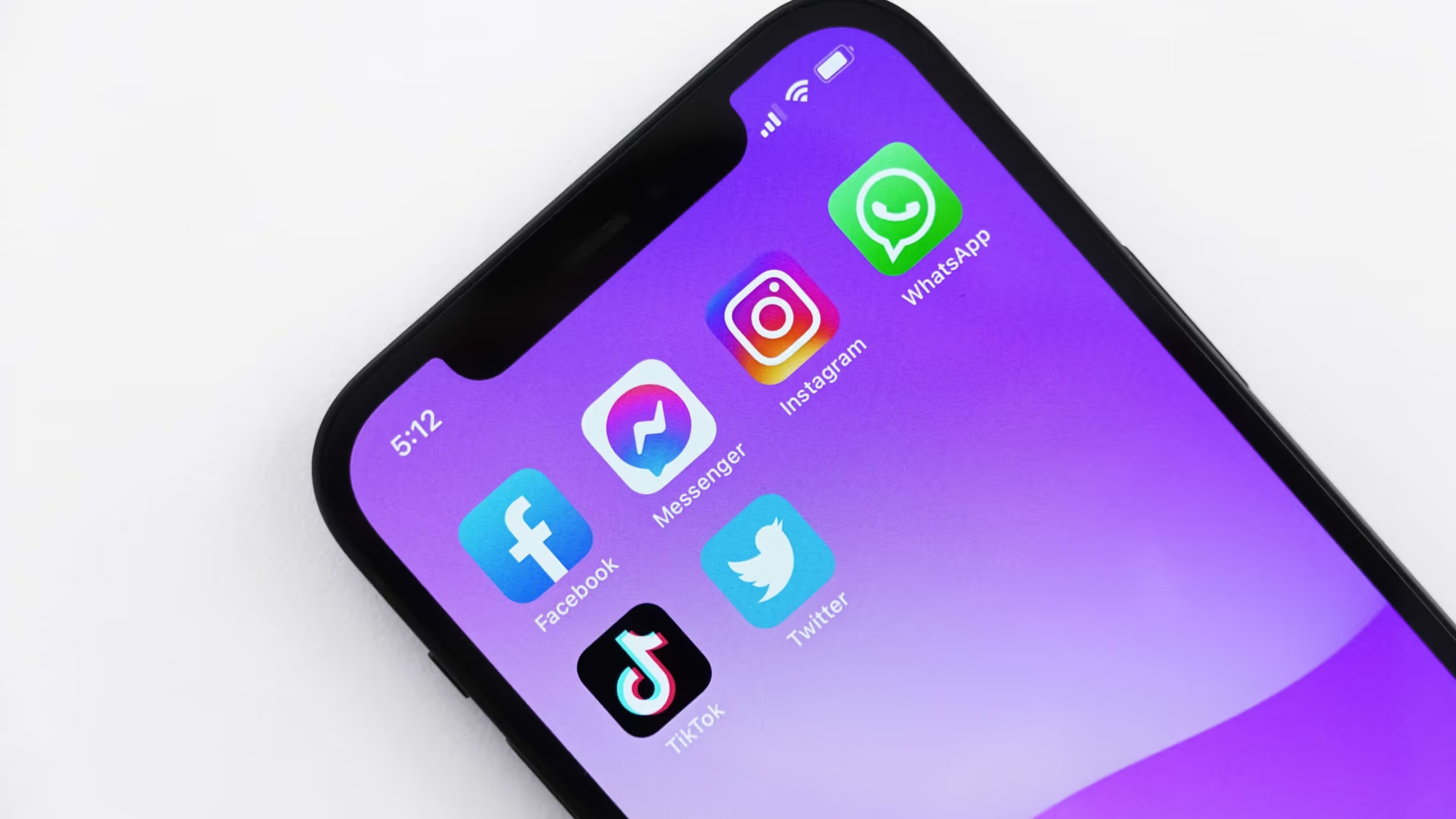
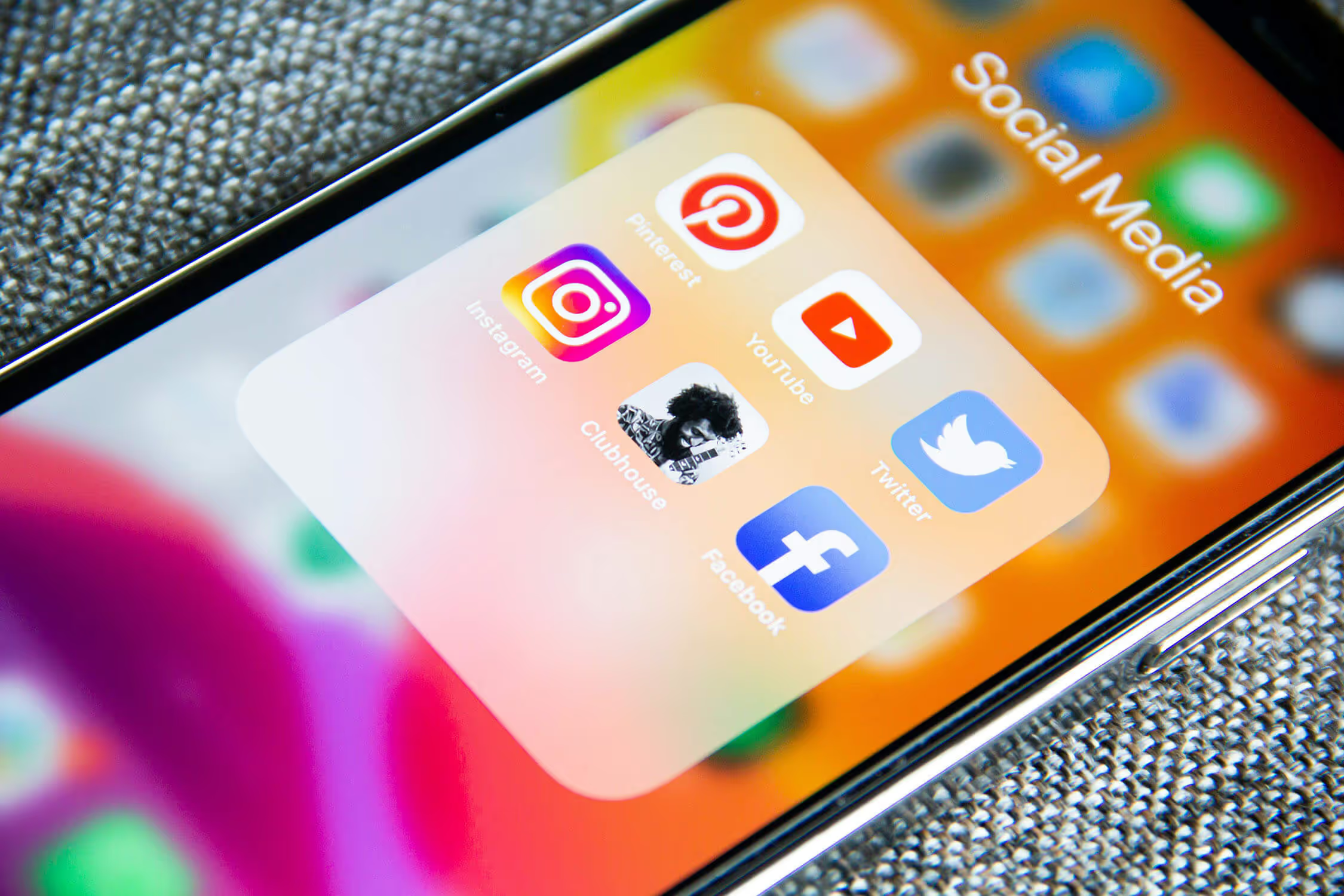
Bluesky. Threads. Substack. Reddit's resurgence. The platform landscape in 2026 looks nothing like it did two years ago. According to Sprout Social’s data, more than half of brands now post on Bluesky, with another 30% planning to start.
This fragmentation creates a strategic concern: you can't be everywhere, but your audience isn't staying in one place either. Social strategy 2026 demands an audience-specific approach, not a platform-specific one. Where are your people? What do they want from you in that space? Those questions matter more than chasing every new network.
For regional brands, this complexity multiplies. What resonates in Jakarta may be missed entirely in Bangkok. Regional nuance separates connection from noise.
Video remains dominant—that much hasn't changed. According to Wistia's 2025 State of Video report, content under one minute achieves an average engagement rate of 50%. The shift is toward micro-moments: content designed to capture attention in seconds and deliver value immediately.
Long-form content still has its place. YouTube continues to dominate for deeper engagement, and educational content performs well across platforms. But communicating complete ideas in 15 seconds or less is becoming essential. That takes discipline, not dumbing down—knowing exactly what you want to say and saying nothing else.
2025 exposed a clear divide. Handing content creation entirely to algorithms backfired for many brands. Those who used AI for scheduling, analytics, and ideation prompts while keeping human creativity at the centre saw better results. AI can tell you what's trending. It can't tell you what your brand should actually say about it.
The real value lies in what AI can't do: develop a distinctive voice, navigate cultural nuance, craft messaging that feels genuinely human. That's the premium skill in 2026.
Strip away the noise, and social media trends 2026 come down to a few core truths. Authenticity beats polish. Conversation beats broadcasting. Search optimisation is now a social skill. And human creativity—real perspective, real voice, real connection—is the only sustainable competitive advantage.
Audiences have more options than ever. They're also more discerning than ever. Winners won't be posting most frequently or spending most aggressively. They'll be the ones who genuinely understand what their audience needs and deliver it consistently and without pretence.
The reset is here. Brands prioritising authenticity, conversation, and search-ready content will thrive. Those clinging to 2024 playbooks will fade into obscurity.
Mutant helps brands across Southeast Asia develop content strategies and copywriting that cut through the noise. Our teams have spent 15+ years building brand voices that resonate regionally, from Singapore to Jakarta to Bangkok. Curious what a social media reset looks like for your brand? Talk to us at hello@mutant.com.sg.
References
%20(1).avif)




.jpg)










.jpg)
.jpg)
%20(1).jpg)
.jpg)

.jpg)
.avif)























.avif)




.avif)



.avif)



.avif)