Contributor
No items found.




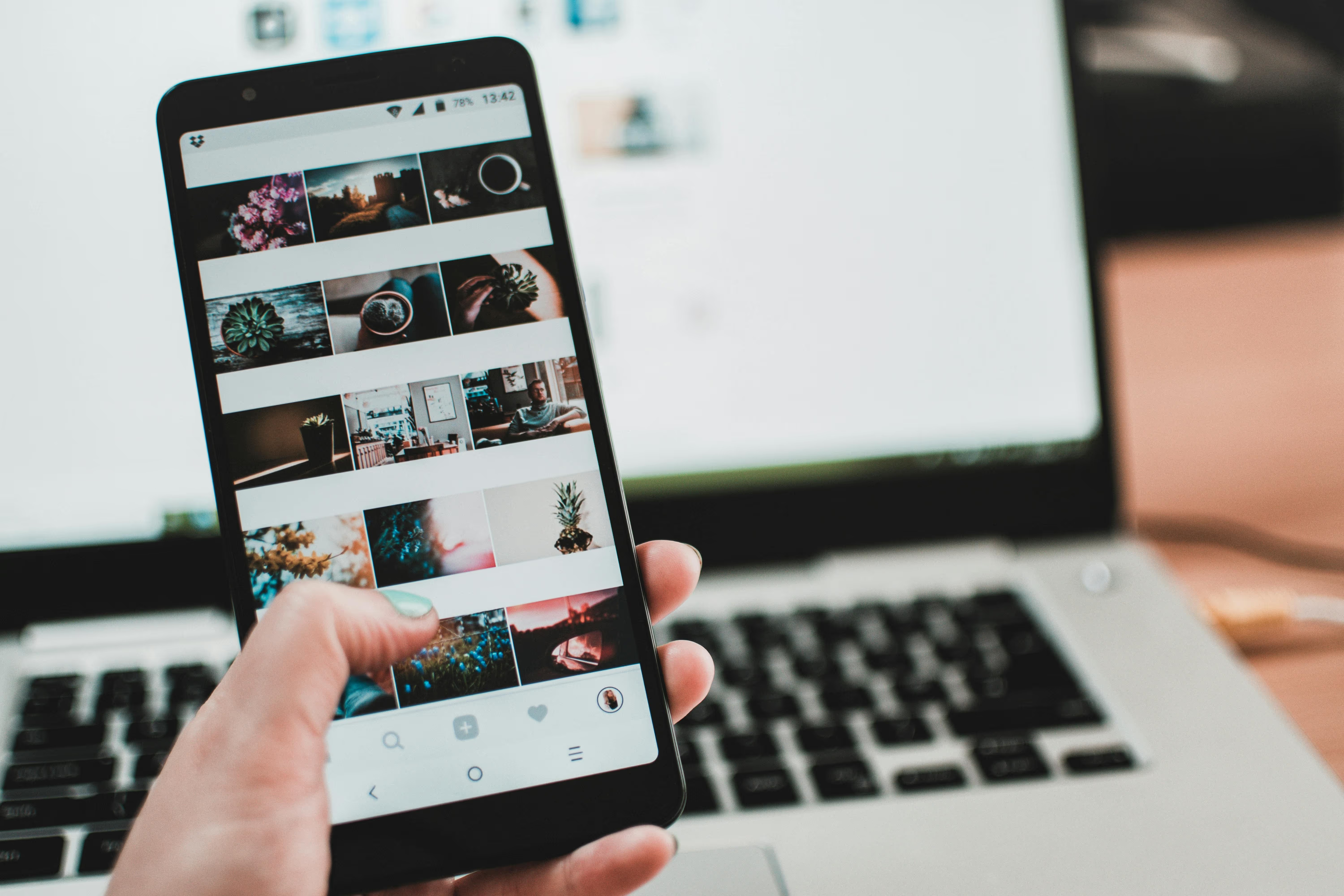
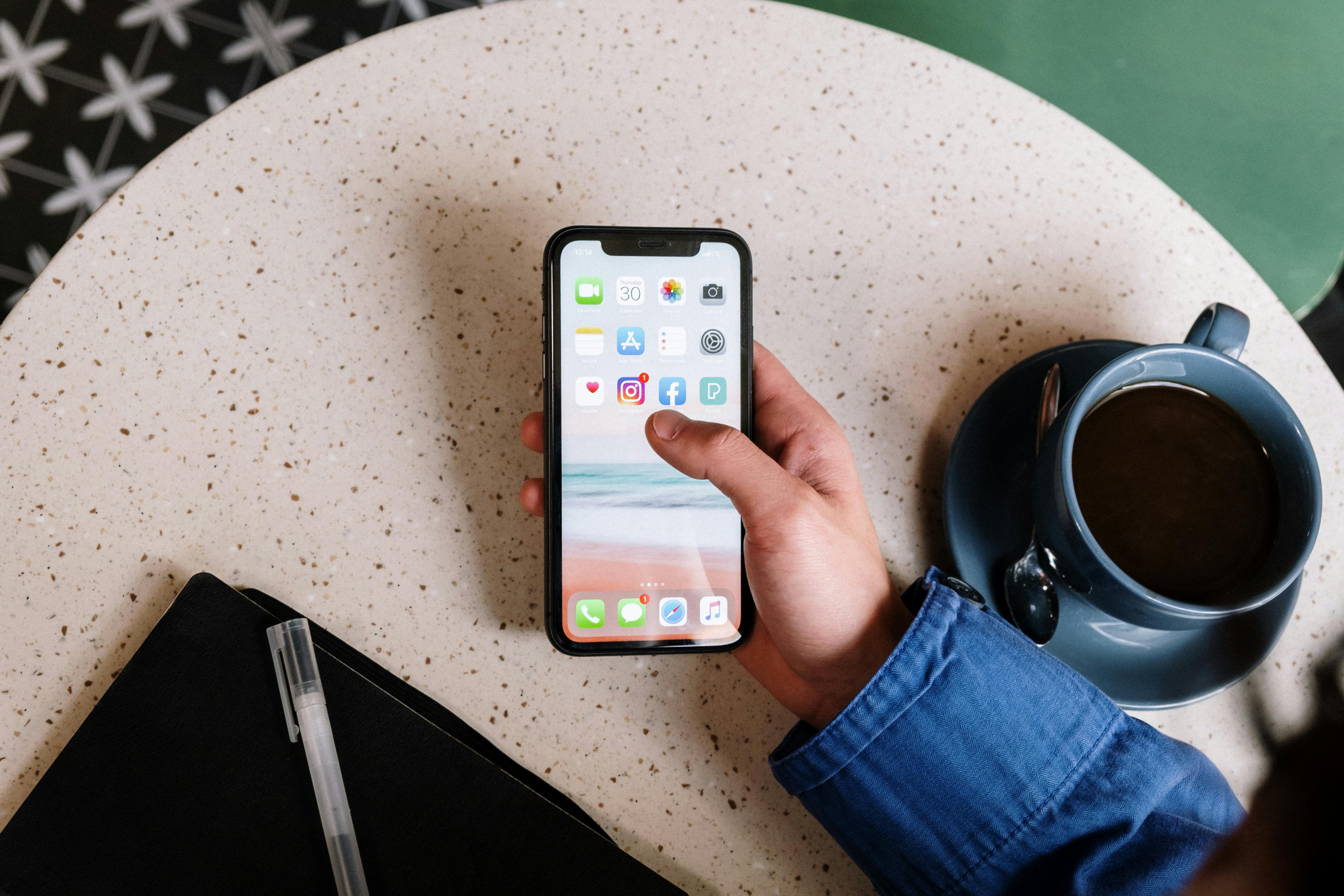
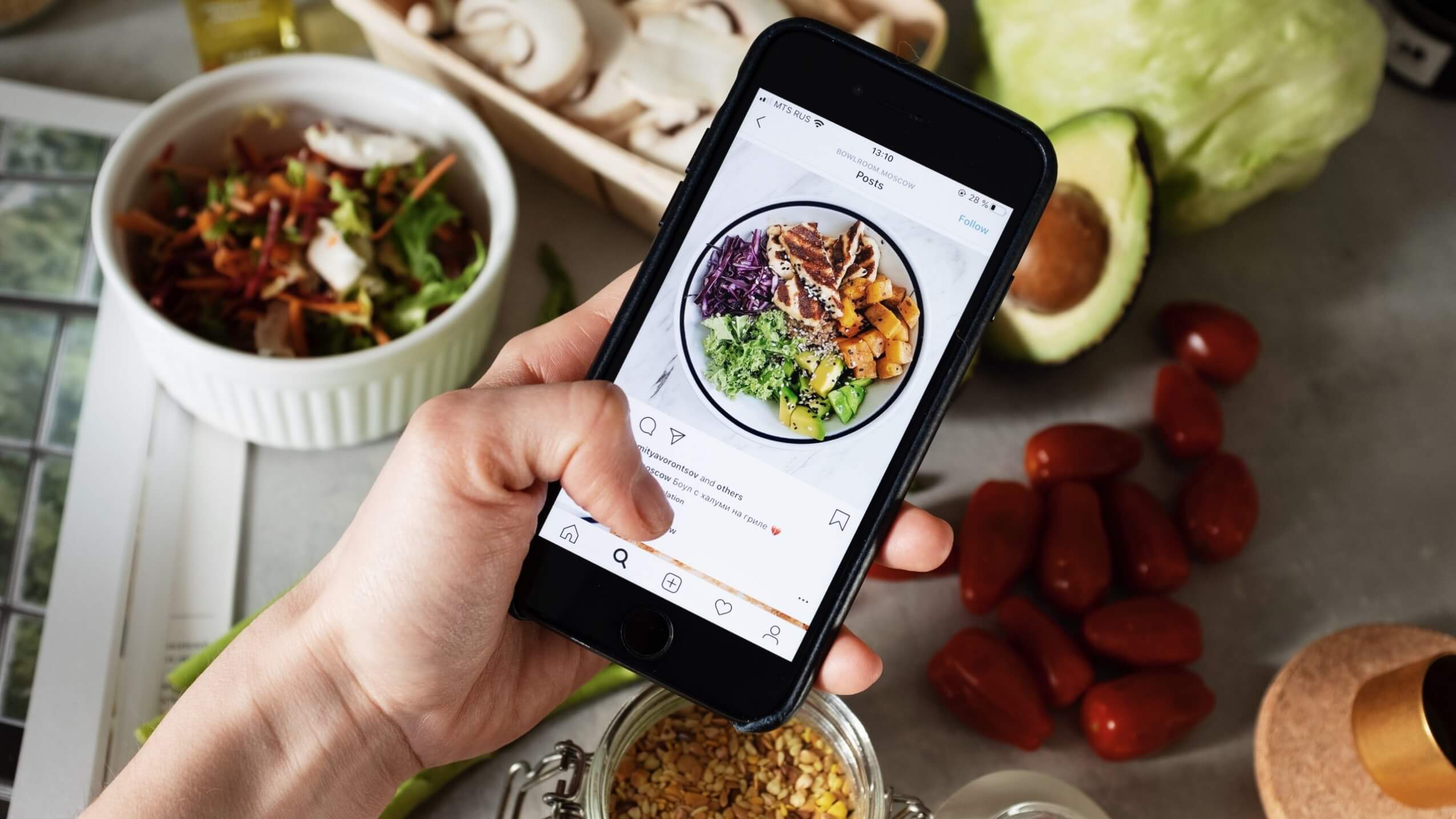
Budol culture isn’t just a meme. Beneath the humour, it reflects how influence actually works in digital spaces—it actively shapes how Filipinos discover and buy products online. What began as a lighthearted way to describe impulse purchases has become shorthand for a broader behaviour: browsing content, encountering recommendations through peers or creators, and converting through moments of trust often triggered within communities rather than through isolated intent.
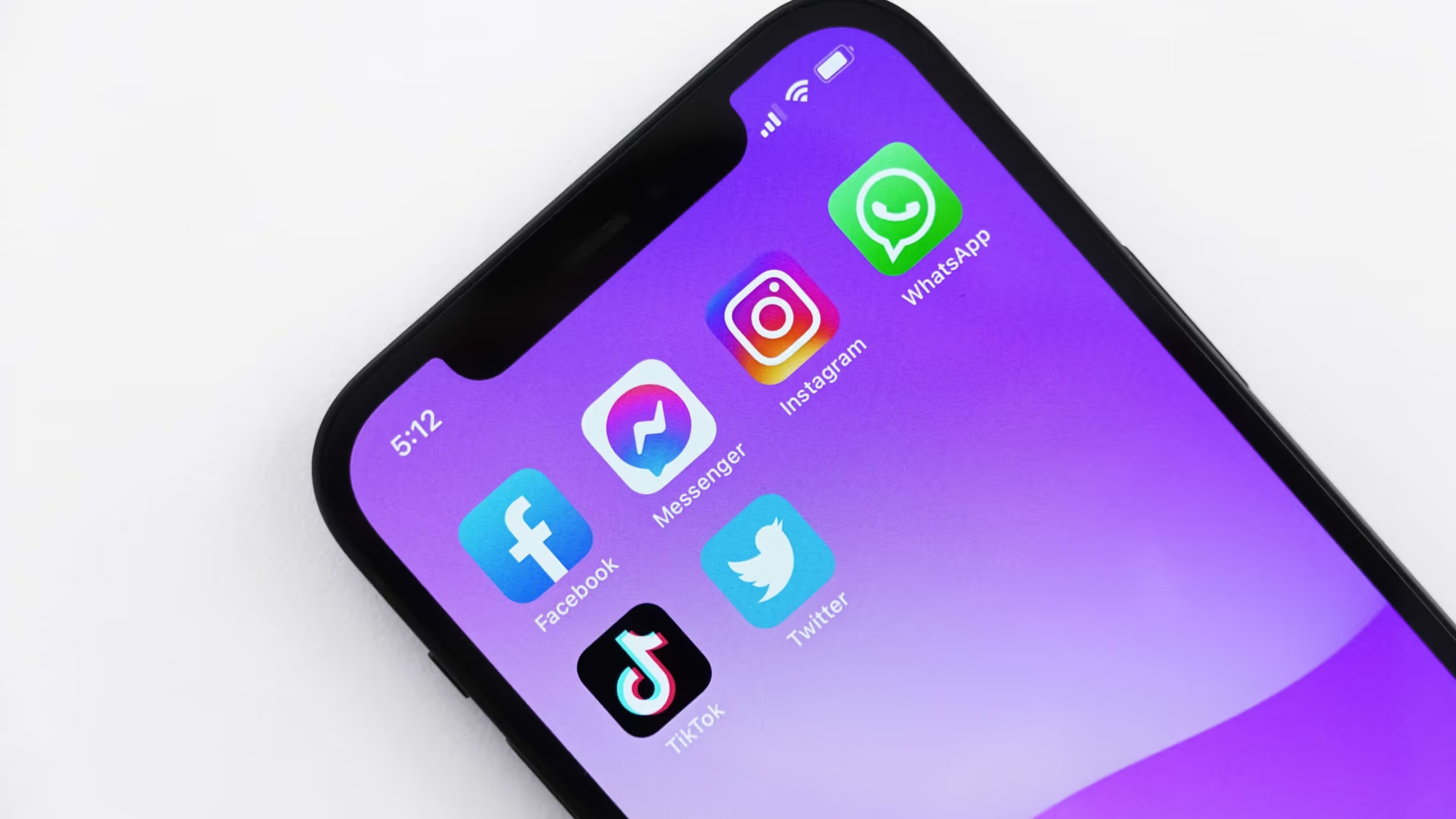
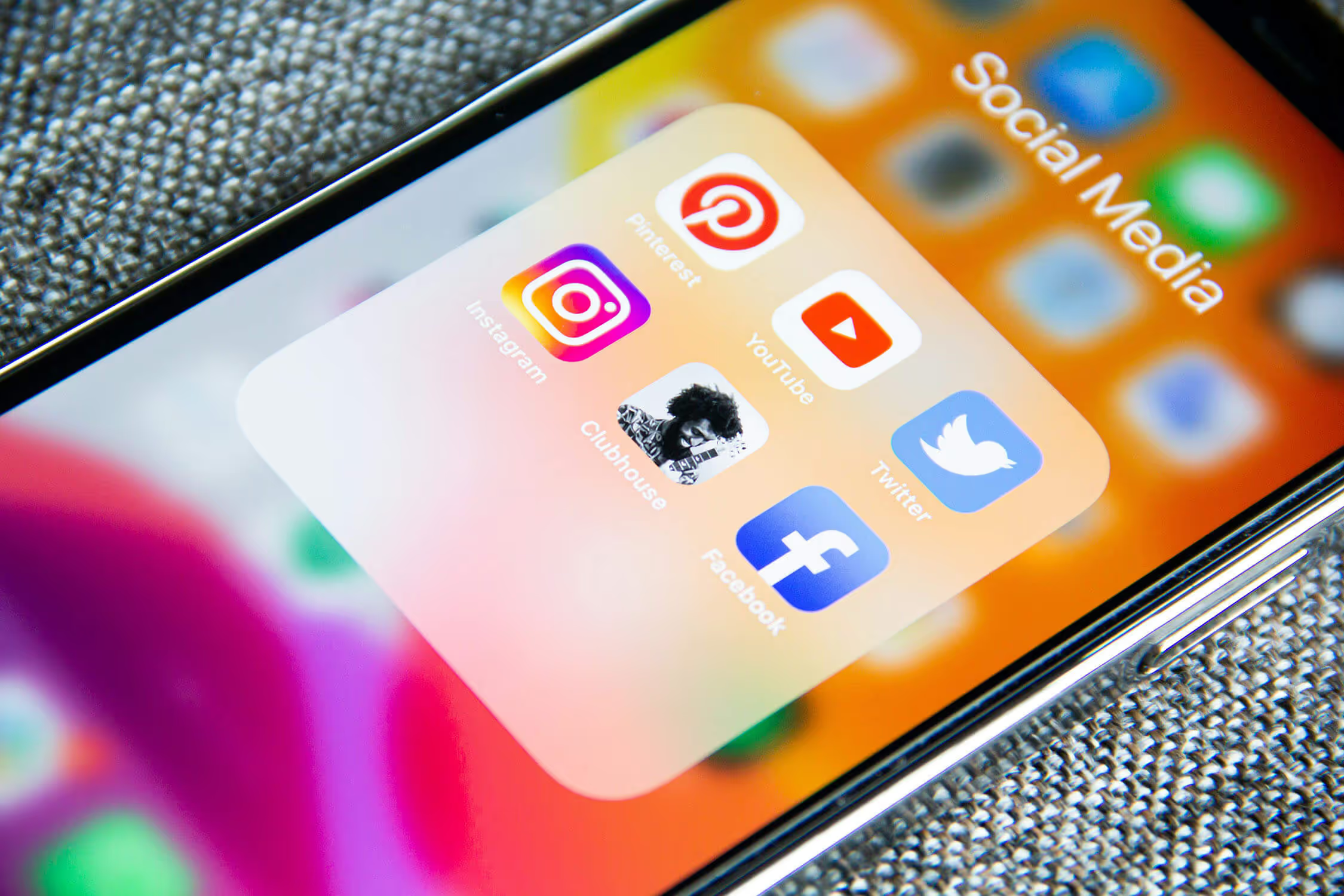
Budol culture influences Filipino consumer behaviour by shifting trust from brands to people, driving impulse purchases through social proof, and transforming e-commerce into a community-driven experience. Fueled by platforms like Shopee, Lazada, and TikTok, and even Facebook groups, it leverages relatable content, influencer recommendations, and affiliate marketing to accelerate product discovery and purchasing decisions.
Budol culture originates from the Filipino term budol, which once referred to scams or swindling—popularised by the “Budol Budol Gang,” known for persuasive, fast-talking tactics.
Today, the term has evolved into something far more lighthearted. In modern usage, budol refers to the experience of being playfully convinced to buy something you didn’t originally plan to purchase.
When Filipinos say “nabudol ako,” they are acknowledging an impulse purchase—often influenced by social media, peer recommendations, or viral content. This shift reflects how persuasion in commerce has moved from deception to social influence and entertainment.
In a highly social and relationship-driven culture, Filipinos value relatability over authority. Instead of relying on brand messaging, consumers seek:
This explains why budol content—often casual, unscripted, and experience-based—feels more credible than traditional advertising.
Budol culture has redefined how Filipinos discover products online.
Instead of searching for items directly, consumers increasingly encounter products through:
Platforms like TikTok have blurred the line between entertainment and commerce, enabling discovery-led shopping rather than intent-driven search.
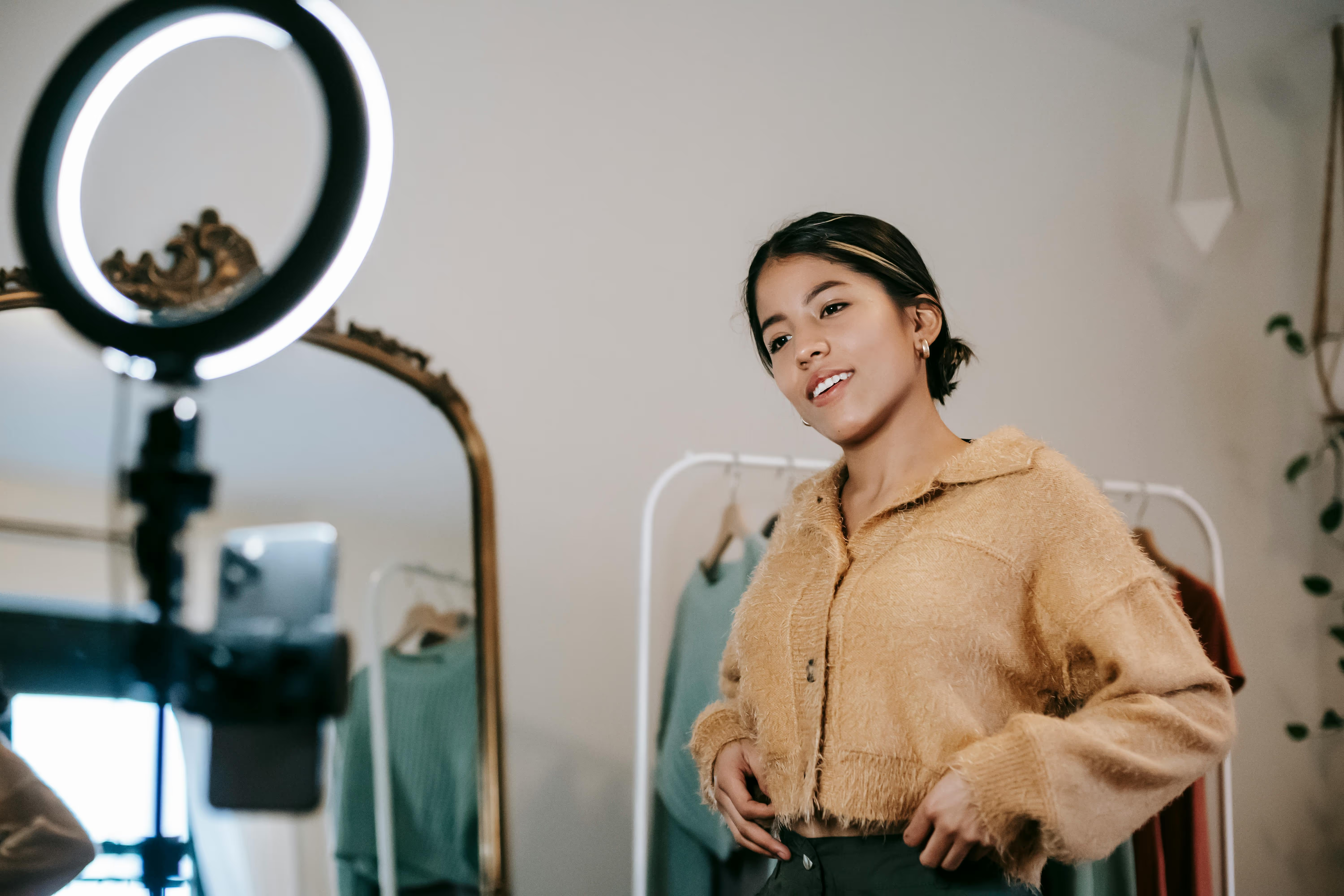
Creators act as modern-day curators, filtering products and presenting them in a way that is:
This reduces friction in the buyer journey and accelerates decision-making.
At its core, budol culture thrives on low-intent, high-emotion purchasing behaviour.
Products labelled as #BudolFinds are typically:
These products succeed because they tap into:
Budol culture reframes impulse buying as something fun, shared, and socially acceptable, rather than irrational.
Affiliate marketing is a key engine behind the growth of budol culture.
E-commerce platforms like Shopee and Lazada, along with TikTok Shop, have enabled creators to earn commissions through product recommendations.
This has led to the rise of creator-driven commerce, where:
This cycle reinforces continuous product discovery and purchasing—making budol culture both organic and scalable.
To stay relevant in a market shaped by budol culture, brands must rethink their approach to marketing.
Key strategies include:
1. Prioritise authenticity over polish
Highly produced ads are less effective than relatable, real-life content.
2. Collaborate with creators, not just influencers
Micro-creators and everyday users often drive stronger engagement and trust.
3. Design for discoverability
Products should be easy to demonstrate, visually appealing, and “budol-worthy.”
4. Leverage social proof
Encourage reviews, testimonials, and user-generated content.
5. Integrate commerce within content
Meet consumers where they are—on platforms where discovery and purchase happen simultaneously.
As e-commerce continues to evolve, brands that succeed will be those that embrace authenticity, leverage social influence, and participate in the shared experience of digital shopping.
In the Philippines, purchasing is no longer just transactional—it is relational, emotional, and deeply social.
Want to tap into budol culture and build campaigns in the Philippines that actually convert?
At Mutant Communications, we help brands navigate the digital landscape through insight-led strategies, creator partnerships, and culturally relevant storytelling.
Get in touch with us at hello@mutant.co.ph to explore how your brand can win in today’s social commerce ecosystem.
%20(1).jpg)









.jpg)











.jpg)
.jpg)
%20(1).jpg)
.jpg)
.jpg)

.avif)































.avif)





.jpg)





.avif)




.jpg)