Contributor
No items found.



A FAM trip (short for familiarisation trip) is an organised travel experience that gives journalists, travel agents, and influencers firsthand exposure to a hotel, resort, or destination. When planned with clear objectives, these trips generate earned media coverage, strengthen trade relationships, and directly influence booking decisions. Hotels and tourism brands that treat FAM trips as a strategic PR investment, rather than complimentary stays, consistently see stronger returns. For hospitality brands looking to maximise campaign ROI, partnering with an experienced PR agency can sharpen audience
If you work in hospitality or tourism, you've probably heard the term FAM trip in meetings and media plans. But what does it involve, and how do you run one that produces real coverage? This guide explains what a FAM trip means, highlights why media visits remain an essential PR tool for hotels and destinations, and outlines how to plan one that delivers results.
FAM stands for familiarisation. A familiarisation trip is an organised travel experience hosted by a hotel, resort, destination management organisation (DMO), or tourism board. The purpose is to give travel industry professionals, including journalists, travel agents, tour operators, and content creators, a firsthand look at the property or destination so they can promote it with accuracy and confidence.
During a typical FAM trip, participants receive complimentary or subsidised accommodation, meals, transfers, and access to key experiences. In return, the host gains exposure through media coverage, social content, and stronger trade relationships that influence future bookings.
A well-executed familiarisation trip achieves several things that paid advertising cannot replicate.
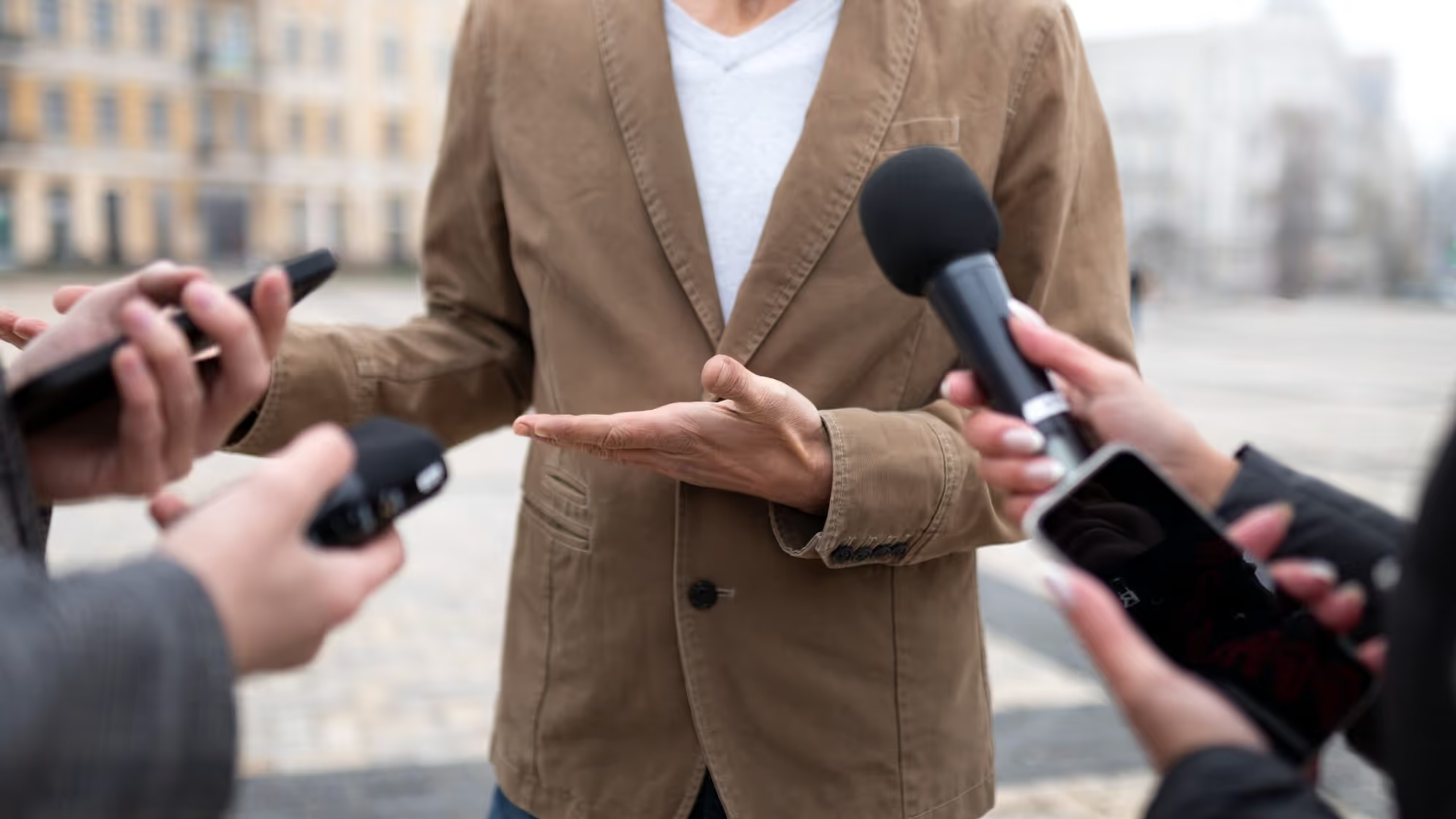
Earned media at scale: A single group FAM trip with five or six journalists can generate coverage across multiple outlets, reaching audiences that paid placements would struggle to access at the same cost.
Trade confidence: Travel agents sell properties they know and trust. When an agent has walked the grounds, eaten at the restaurant, and tested the spa, their recommendations to clients carry conviction.
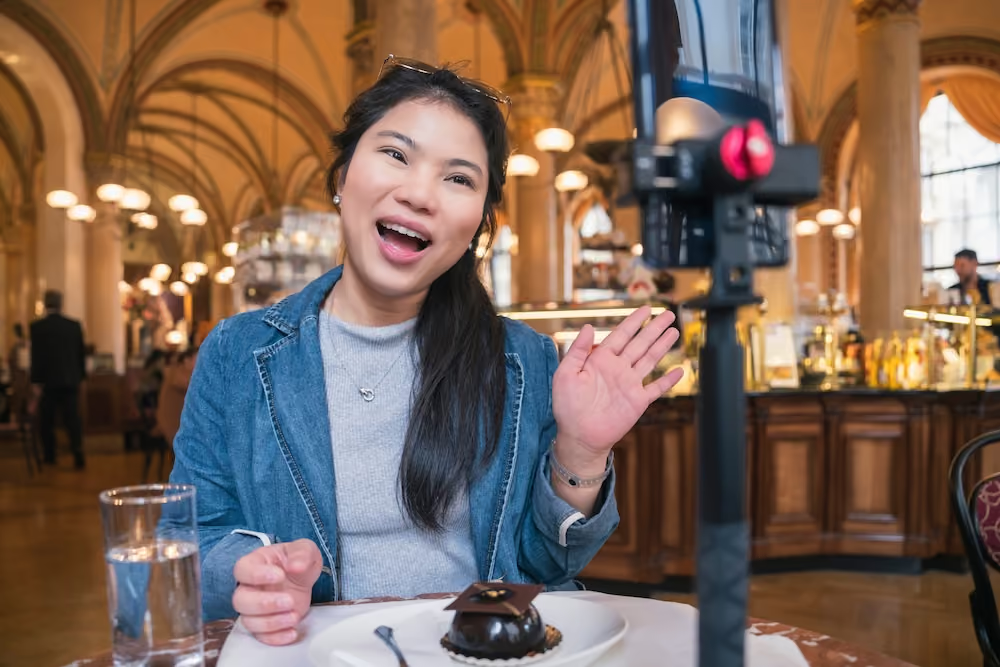
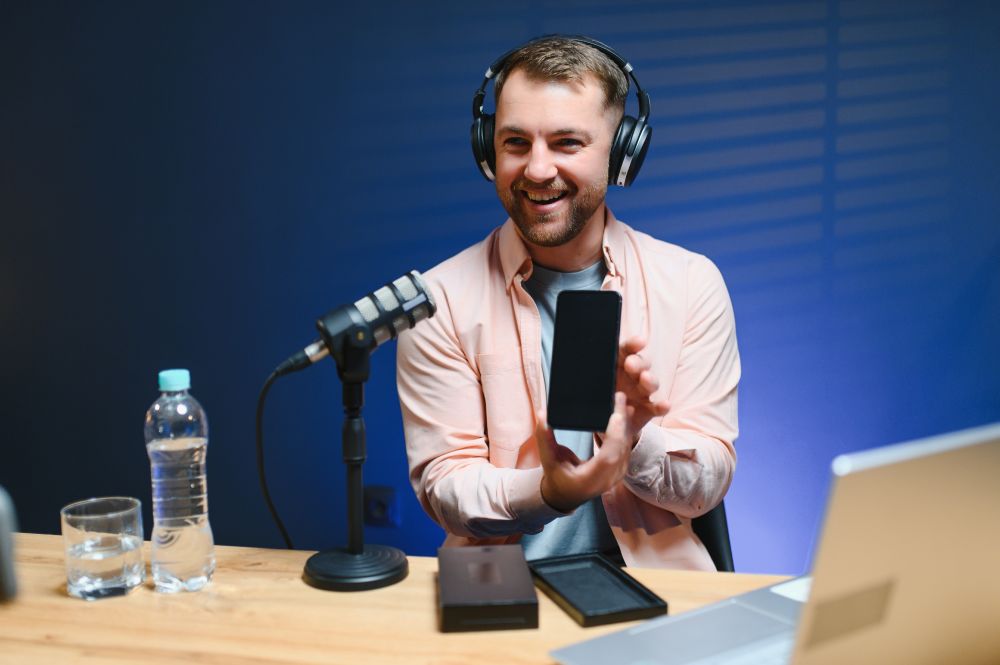
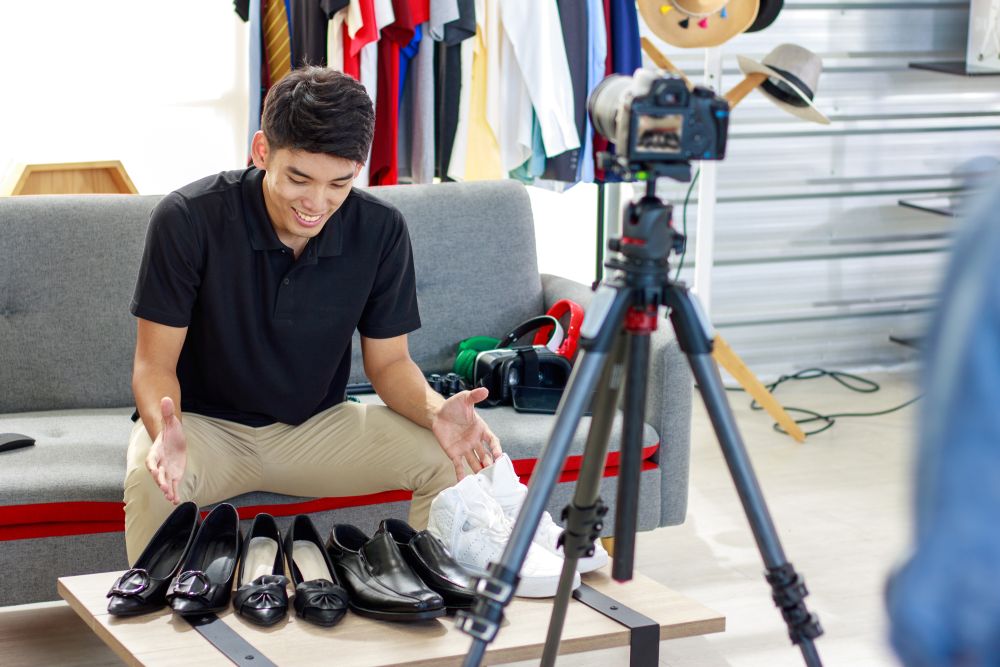
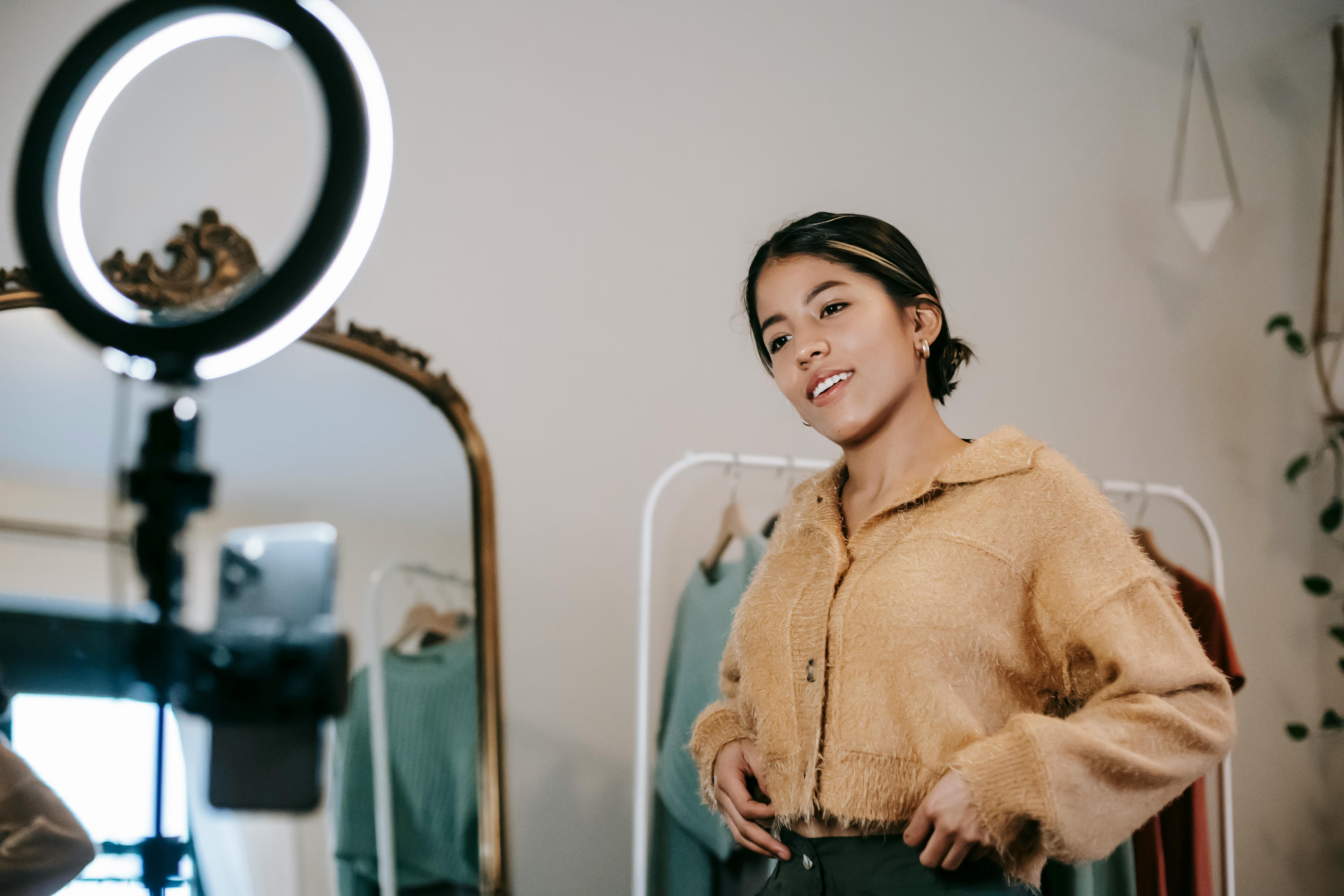
Content creation: Influencers and travel writers produce photos, videos, reels, and long-form features during and after the trip. This content has a longer shelf life than most advertising and carries the credibility of third-party endorsement.
Relationship building: FAM trips create direct, personal connections between hotel teams and the media professionals who shape public perception of a property. Those relationships pay dividends across multiple news cycles and editorial calendars.
Selecting the right participants is the single biggest factor in whether a FAM trip delivers results. Consider three groups:
Journalists with confirmed assignments: Prioritise writers who have active pitches or confirmed editorial slots with publications that reach your target market. A freelancer with a commission from a relevant outlet will produce more value than a big-name writer without a deadline.
Travel agents and tour operators: These participants directly influence booking volume. Invite agents who already sell your destination category or those expanding into your market.
Content creators with aligned audiences: Look beyond follower counts. A micro-influencer whose audience matches your guest demographic, whether that's luxury travellers, family holidaymakers, or adventure seekers, will drive more relevant engagement than a creator with a broad but mismatched following.
Step 1: Define the objective. Are you launching a new property, repositioning after a renovation, or building trade partnerships in a specific source market? The objective shapes every decision from guest selection to itinerary design.
Step 2: Build an experience-led itinerary. Participants remember signature moments. A private cooking class with the head chef, an early-morning kayak through a mangrove, or an exclusive behind-the-scenes tour of a heritage site will produce more compelling content than a generic resort walkthrough.
Step 3: Schedule downtime. Journalists and creators are working during the trip. Build two to three hours of free time into each day so participants can organise notes, edit photos, and post content while the experience is fresh.
Step 4: Prepare a media kit. Provide high-resolution images, property fact sheets, key messaging, and any relevant data (occupancy milestones, sustainability credentials, awards) in a digital folder participants can access during and after the trip.
Step 5: Follow up within a week. Send a thank-you note, share any additional assets requested, and offer support with quotes or fact checks. Coverage timelines vary, so avoid pressuring participants for immediate results.
Over-packing the schedule: An exhausting itinerary with back-to-back activities leaves no room for spontaneous exploration or content creation. Quality beats quantity.
Inviting the wrong participants: Hosting a luxury travel writer at a mid-range beach resort, or a food blogger at a property with limited dining, creates a mismatch that rarely produces useful coverage.
Skipping the brief: Participants should understand the property's story and what makes it different. Without this context, even experienced journalists may miss the angles that matter most.
No measurement plan: Track media coverage, social mentions, referral traffic, and trade bookings. Without measurement, you cannot justify the investment or improve future FAM trips.
A successful media visit takes more than booking rooms. It takes strategic planning, media management, and dedicated follow-through. Mutant works with hospitality and tourism brands across Southeast Asia to turn FAM trips into sustained media coverage, with teams across five regional markets and two decades of journalist relationships. Want to talk about your next campaign?
A: A FAM trip (short for familiarisation trip) is an organised visit hosted by a hotel, resort, or tourism board for journalists, travel agents, influencers, or tour operators. The goal is to give participants firsthand experience of the property and destination so they can promote it through media coverage, social content, or direct sales to their clients.
A: Most FAM trips run between two and five nights, depending on the scope of the destination and the number of experiences included. Shorter trips work well for single-property showcases, while longer trips suit multi-destination or regional itineraries where participants need time to explore several locations.
A: The hosting organisation, whether that's a hotel, DMO, or tourism board, typically covers accommodation, meals, local transfers, and activities. Participants usually pay for their own flights, though some hosts cover airfare for high-priority media or trade partners. The investment is justified by the earned media and trade relationships the trip generates.
A: Track the number and reach of media placements, social media posts and engagement, referral traffic to your website, and any direct bookings or trade enquiries that result from the trip. Compare the total cost of hosting against the equivalent advertising value of the coverage generated. Post-trip surveys from participants also provide useful qualitative feedback for improving future trips.
%20(1).avif)





.jpg)













.jpg)
.jpg)
%20(1).jpg)
.jpg)

.jpg)

.avif)




























.avif)






.avif)





.avif)

.avif)